
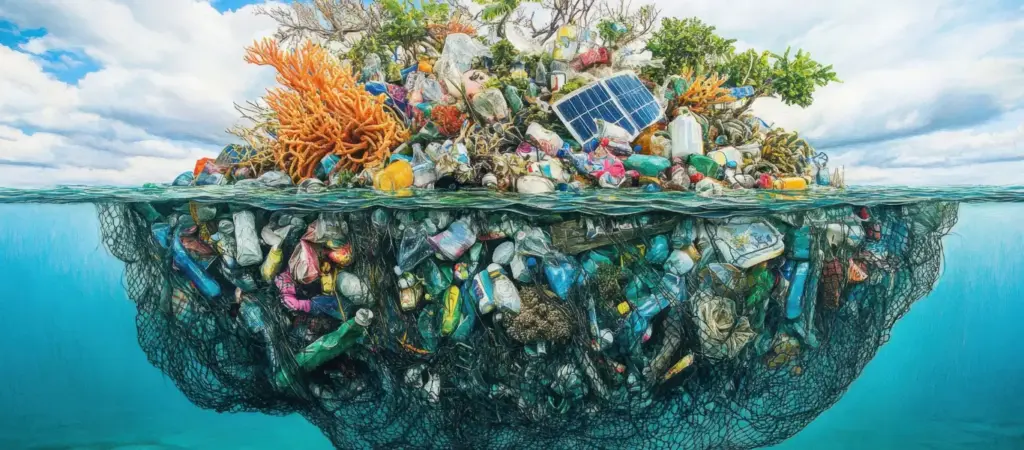
Undeniably, plastic products have become essential items in our daily lives. If there were no plastic products, it would be very hard for people to live as they do nowadays. From water bottles to tableware, office supplies to daily utensils, plastic products are everywhere. However, the overuse of plastic products has a very negative impact on the environment. This plastic garbage is very hard to decompose, and can pollute the environment, flowing into rivers and oceans, which can change the marine ecosystem, and even enter the human food chain to cause immense harm to humans.
June 5 is World Environment Day. On 5 June 2018, the theme of UNEP(United Nations Environment Programme) focused on the danger of plastic to appeal to people to enhance their awareness of protecting the environment to decrease the use of plastic. Here we – ac·green®, a trusted supplier of Wholesale Blank Sustainable Hats, will introduce a detailed brief on plastic pollution.
Plastic Pollution
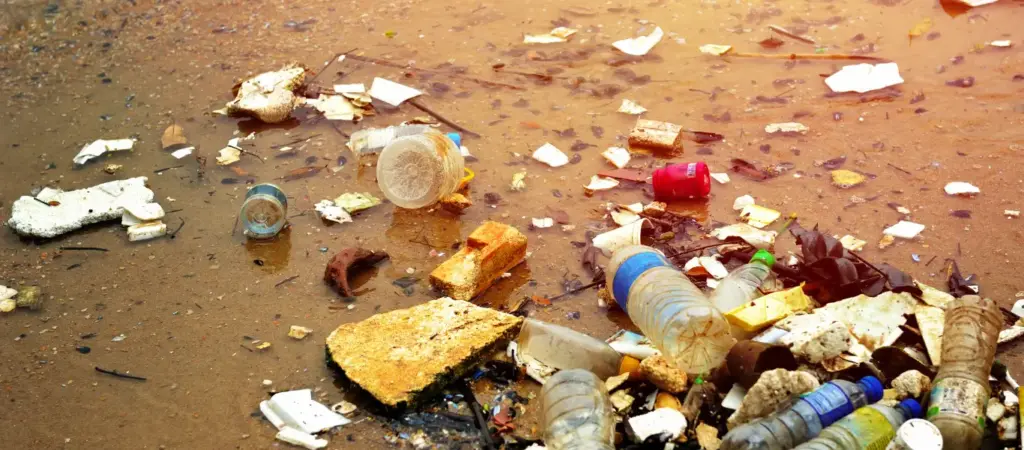
The report from the United Nations News reporter, Maoqi Lee. Since the 1950s, the speed of plastic production has been much faster than any other material. Durable plastic production all over the world has gradually turned into disposable plastic production. Basically, 1 million plastic beverage bottles are sold per minute worldwide, and 5000 billion plastic bags are used annually. It’s a common to use plastic to make water bottles, disposable containers, packing bags, tableware, and more. These disposable plastic products turn into plastic garbage in seconds after using, which is very hard to decompose.
Siim Kiisler, the UN assembly president, in UNEP (United Nations Environment Programme), made a statement on World Environment Day to express that plastic is convenient and practical, but it causes huge damage to the environment. Siim Kiisler said, “We all know that our oceans are threatened and plastic is one of the killers. As for plastic, human beings are very bad users and managers.”
Plastic garbage
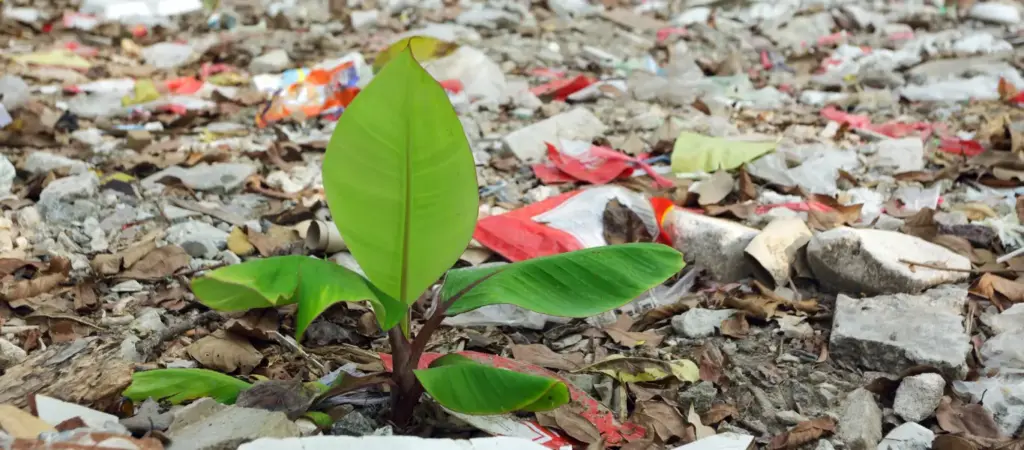
No matter whether in rivers, oceans, or on land, plastic can stay in the environment for centuries. The main features to make plastic so important are its durability and degradation resistance, and these features also make it impossible to decompose completely. Most plastic products are never going to disappear, and they just become smaller and smaller. Many of these tiny plastic particles are swallowed by farm animals or fish. Finally, these animals and fish appear on our table. Tiny plastic particles have appeared in most water areas worldwide.
Global recent research showed that cigarette butts contained tiny plastic fibers in the filters are the most common plastic garbage in the environment. The next common plastic garbages are beverage bottles, bottle caps, food wrappers, grocery bags, straws, and stirrers. Most people use these products every day without considering their final treatment. From the data, only 9% of plastic is recycled, about 20% of plastic is burned, and the rest 79% of plastic is treated in landfills or flows into the natural environment.
Since the 1950s, there have been over 8.3 billion tons of plastic garbage, about 60% of plastic garbage ending up in landfills or in the natural environment, which causes a huge damage to the environment. Most rivers carry plastic garbage from land to the ocean, which is the main reason to cause ocean pollution. It’s calculated that there are 8 million tons of plastic garbage flowing into the oceans each year.
Rivers are the main plastic carriers to the ocean. These 10 rivers carry over 90% plastic garbage to the ocean, including the Yangtze, Indus, Yellow, Sea, Nile, Ganges, Pearl, Amur, Niger, and Mekong rivers. If we don’t make many change about this current trend, by 2050 there will be more plastic garbage in the ocean than fish. In addition, half plastic garbage in the ocean is mainly from these 5 countries: China, Indonesia, the Philippines, Thailand, and Vietnam. All these 5 countries have undergone a very fast economic development, and have greatly lowered the poverty rate, improving life quality for billions of people. Therefore, with the increase in economy and consumption, the use of plastic products has increased.
Maybe you have heard the news in Thailand before: there was a whale that died after swallowing too many plastic bags, and before it died, it spat out more than 60 pieces of plastic bags. Such a thing happened in Norway and Spain before. Whether elephants or cattle, all animals are hard to get out of this doom. Human beings are also threatened by plastic. A non-governmental organization did research on the Himalayas that showed there were tiny plastic fragments in the water resource, which was named for the best quality water.
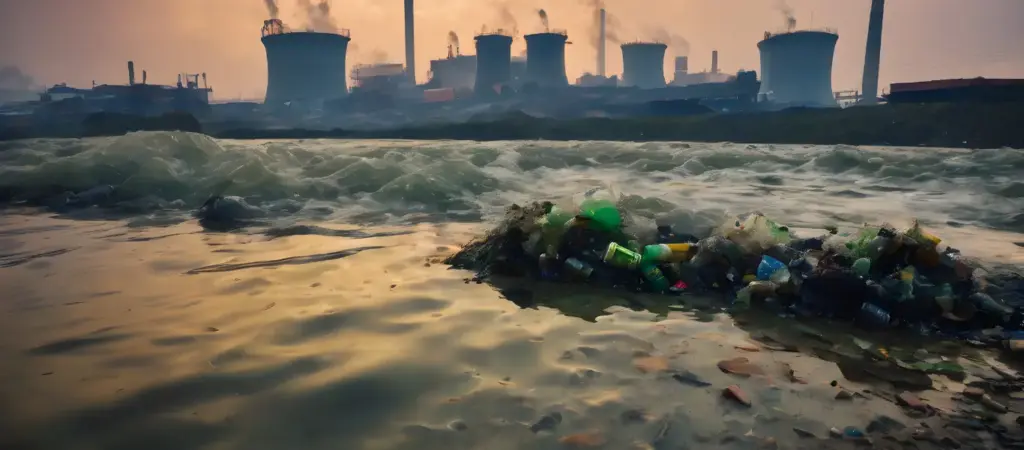
Scientists point out that 99% of plastic is made with chemicals from raw materials – oil, gas, and coal, which can pollute the environment and are non-renewable resources. If the current trend continues until 2050, the plastic industry may occupy 20% of total oil consumption in the whole world.
This problem has been gradually noticed worldwide, and governments have taken action. Many countries have continuously pushed incentives ranging from public awareness campaigns to recycling, even taxes and outright bans on certain disposable plastic products. Surprisingly, the African continent is at the forefront of the world in this aspect, and most African countries are completely banning the production and use of plastic bags. In 25 African countries that have implemented the prohibition of using plastic bags, over half of these countries implement this policy.
On World Environment Day, also called Eco Day, Environment Day, or WED, the United Nations has appealed to people all over the world to take real action to solve plastic garbage in daily life. For example, advocating people go to restaurants that stop providing plastic straws, take their coffee mugs or reusable water bottles to coffee stores, shop with reusable shopping bags, and pick up plastic when they see it on a walk. Governors strongly complement food suppliers to provide non-plastic packing. Pushes pressure on the local government and leads them to improve the waste arrangement in the city. Tell the local government, you support the ban on disposable plastic bags.
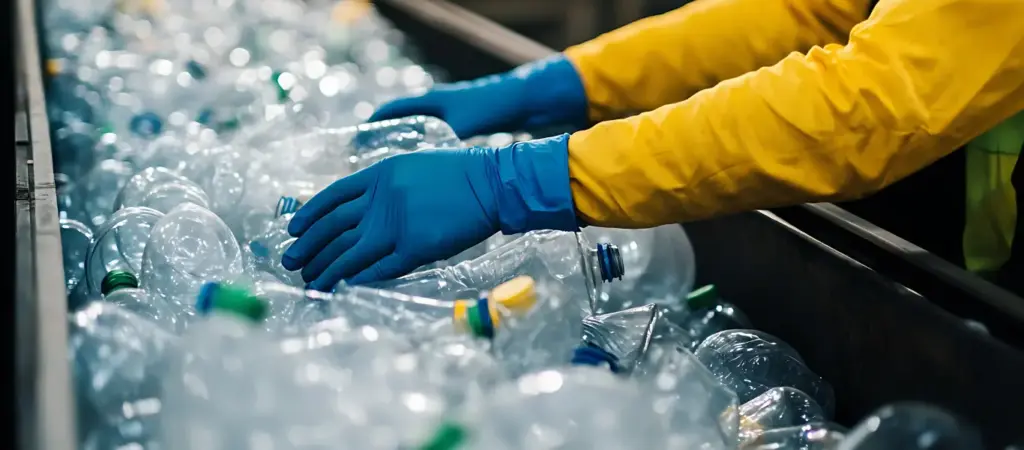
Secretary General Guterres announced as a spokesman: Since the first World Environment Day, disposable plastic bottles have been abandoned in the secretary’s office. Under his leadership, the spokesman Dujarric, who used to use a plastic bottle of water in the afternoon press conference in the past, has now changed to a water bottle. Guterres appealed to people all over the world to join World Environment Day and the related celebration activities to contribute to reducing the plastic footprint on our planet.
Health is the basic root for our planet to prosper and be peaceful in the future. It’s our responsibility to protect our only planet, but how to do it and where should we start? It’s hard to know, therefore, the only request for this World Environment Day is to solve plastic pollution.
On World Environment Day, the main message is very simple: deny the use of disposable plastic. Deny using non-reusable stuff. Denying together, we can create a cleaner and more environmentally-friendly path.
The FROM POLLUTION TO SOLUTION: A GLOBAL ASSESSMENT OF MARINE LITTER AND PLASTIC POLLUTION from UNEP(United Nations Environment Programme) showed that all ecosystems from rivers to the ocean,s are facing a growing threat. In recent years, there has been more and more plastic that flows into water ecosystems. By 2030, it’s predicated that there will be double more plastic garbage in the water ecosystem, which can cause a huge damage to human health, the global economy, and even the diversity of species.
Plastic is not only a pollution problem but also a climate problem
The report, Plastic & Climate: The Hidden Costs of a Plastic Planet, released 10 days before the Glasgow climate conference, highlighted that plastic was also a climate problem. According to life cycle analysis, there were 1.7 billion tons of carbon dioxide from plastic in 2015, and there will rise to 6.5 billion tons of carbon dioxide, or 15% of global carbon dioxide, in 2050.
Plastic Pollution in the Ocean
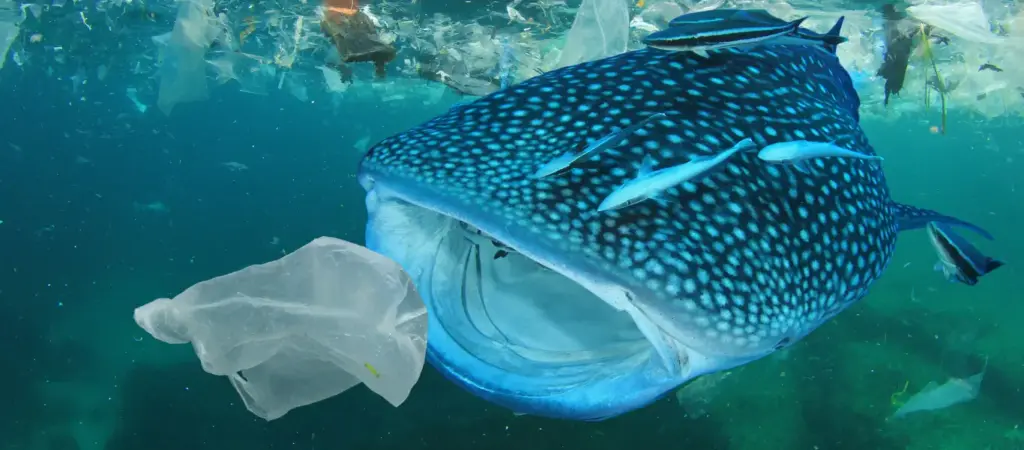
From this report – Plastic & Climate: The Hidden Costs of a Plastic Planet, it made clear that 85% ocean trash are plastic garbage, and it warns there will be 3 times plastic waste in the ocean in 2040. Moreover, plastic waste has annually increased 2.3 million tons of plastic garbage to 3.7 million tons of plastic garbage. This means that there will be 50kg plastic waste on each meter of coastline worldwide. Therefore, from plankton, shellfish, and birds, to turtles to mammals, all ocean species will face a serious risk of being poisoning, behavioral disturbances, starvation, and suffocation. Corals, mangroves, and seaweeds are covered by plastic garbage so that they cannot obtain oxygen and sunlight.
Toxic Decomposition
TThe UNEP Executive Director, Inge Andersen, said: “The main problem with plastic waste is its decomposition.” For example, the decomposition of tiny plastic and the release of many chemical substances can threaten human beings, wild animals, and the whole ecosystem. Besides that, humans are easily affected by water that is polluted by plastic garbage, which might lead to hormonal changes, developmental disorders, reproductive abnormalities, and even cancer. Moreover, people might ingest plastic through seafood, beverages, and even salt. The worst point is that, while plastic flows into the air, affecting it, people will absorb plastic pellets that can penetrate skin, leading to an unpredictable, horrible disaster.
A Huge Influence on the Economy
Ocean trash and plastic pollution also have a huge influence on the global economy. In 2018, global plastic pollution caused a loss of at least 6 billion to 19 billion dollars from the impact of tourism, fisheries, and aquaculture (such as clean-up costs). It’s estimated that enterprises may face a financial risk of 100 billion dollars in 2040 if the government requests enterprises to follow the predicted quantity and recycled payment for waste management costs. A lot of plastic trash will also lead to illegal domestic and international garbage treatment.
Comprehensive Governance
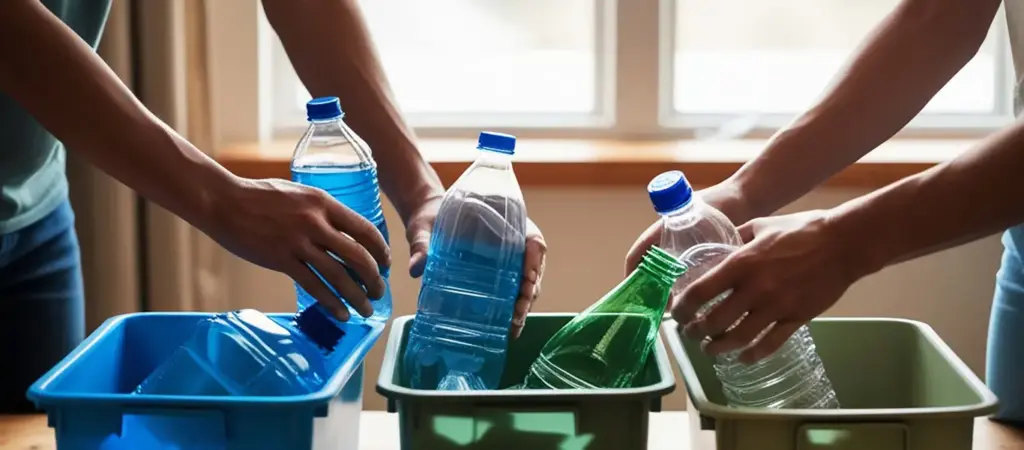
The UNEP appeals to reduce the use of plastic and encourage the transformation of plastic waste. This needs next-level investment and builds a stronger and more effective examining system to make sure of the originals, scales, and fate of plastic and formulate the risk frame. Nowadays, there is an extreme dearth of this risk frame. Ultimately, turning to recycled plastic is necessary, including sustainable consumption and production, and enterprises accelerate production, adopt alternatives, and promote the awareness of consumers to achieve more responsible choices.
Recycled Plastic – ac·green®
ac·green® is a sustainable hats and garments industry, recycling plastic bottles and turning them into RPET threads that can significantly reduce plastic pollution. Not only made with recycled plastic, but also with other sustainable fabrics to reduce our footprint on the planet and create a cleaner and greener world for us and our generations.