
Recycled fashion has gradually become more popular. Creative designs and thinking let abandoned clothes have a second life in the fashion industry.
Current Shopping Phenomenon in the Apparel Industry
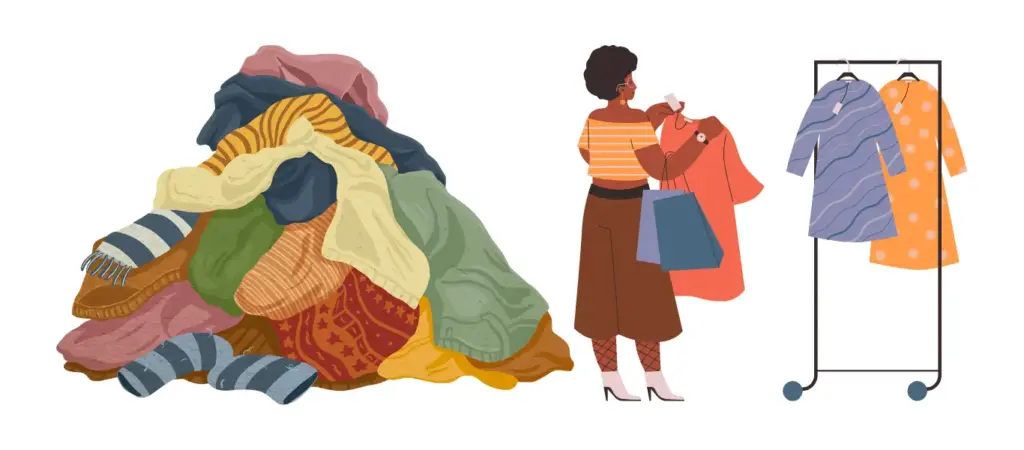
In daily life, we usually buy new clothes, but soon we won’t want to wear them, then put them in the closet, but don’t want to throw them away. The result is that we get more and more clothes and still feel that there is no clothing to wear, struggling with the trouble of buying new clothes and abandoning old clothes. Believe it, it’s true for most women. According to the survey, customers usually wear 7 times one piece of clothes and the average use times of clothes have been reduced by 36% over 15 years.
The Pollution of Fast Fashion
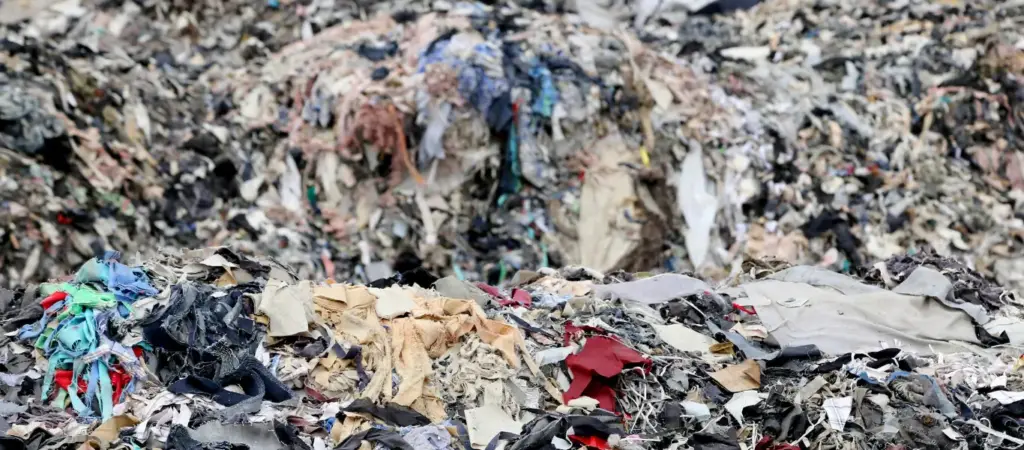
In fact, this “buying new clothes and abandoning old clothes” phenomenon leads to tons of waste in the fashion industry. According to the media report, the textile clothing fashion industry is the second largest polluting industry worldwide, after the oil industry. The UNECE(United Nations Economic Commission for Europe) has said that producing one cotton shirt needed about 2,700L(9,1297.86us fl oz) water, and producing one pair of denim pants needed about 7,500L(5,3605.2us fl oz) water, but one person just needs about 1,000L(3,3814.02us fl oz) drinking water per year.
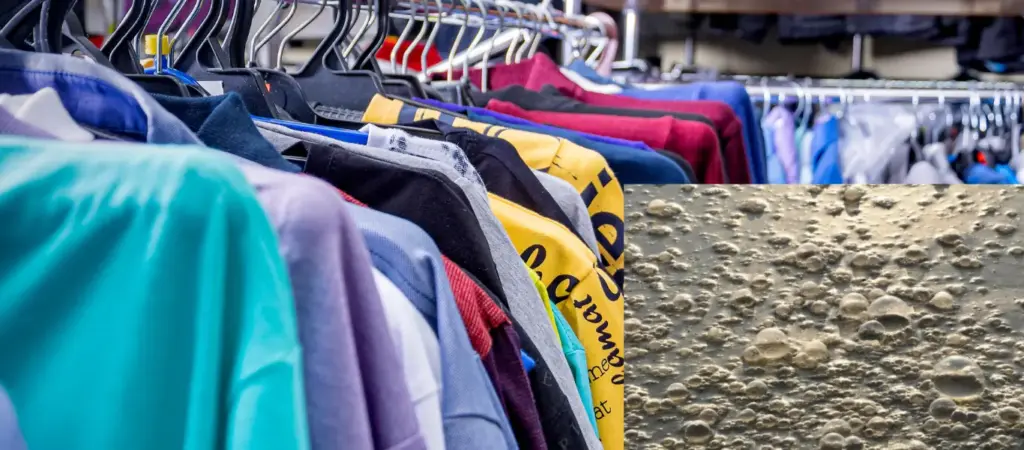
Nowadays, the textile clothing industry is the second largest water consumption industry, emitting about 20% of wastewater worldwide each year. At the same time, the fashion industry has produced 10% of carbon emissions all over the world, over the total amount of air and sea transportation. The harmful dyed materials not only produce colorful clothes but also bring a huge problem for purifying water. Over 85% of abandoned clothes will be buried under the earth, and they will slowly decompose. The decomposition process has been ongoing for more than 200 years, producing methane gas at the same time. Such data is shocking.
Sustainable Fashion
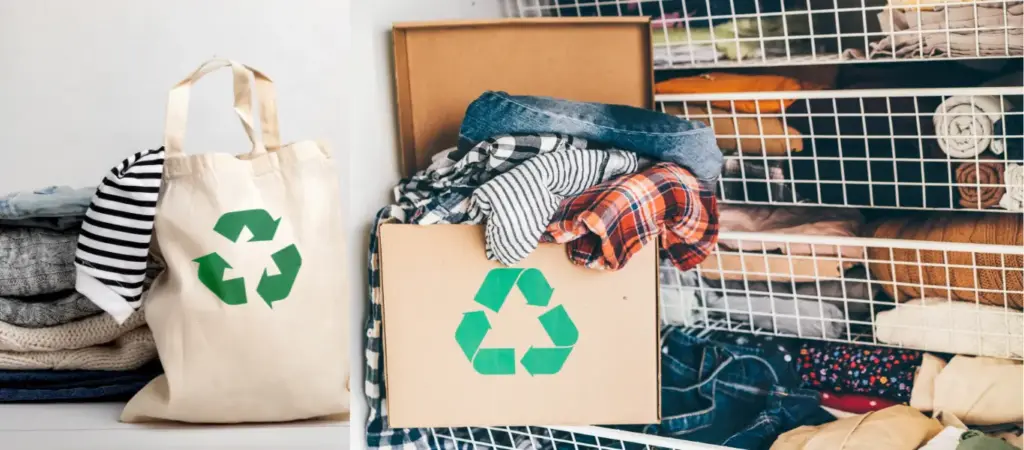
In recent years, the green and eco-friendly lifestyle has gradually become concerned, and promoting and encouraging sustainable fashion is of utmost importance. Currently, the basic impression of sustainable fashion in most people’s minds is recycled, easy-decomposed, lower-level recycled, or to break down some things that are expensive into several cheap items. Some designers in the fashion industry utilize trendier designs to make old clothing to be a new fashion item or a piece of artwork in the next level to achieve a higher level of sustainable and circular development. There is another way to reach sustainable fashion that is made with sustainable materials, such as ac·green®. A hats and garments trade industry makes its products with sustainable materials such as organic cotton/hemp/linen, silk, modal, recycled plastic, and recycled cotton/nylon/polyester.
Sustainable clothing, also known as ecological/Green clothing, aims to protect human health, and it’s also famous for its non-toxic and safety features. Also features coziness in wearing to provide a comfortable wearing experience and a pleasing moon.
From the professional aspect, Green clothing includes 3 parts. Firstly, an ecological element is produced ecologically. Secondly, the user-friendly aspect is eco-friendly for users and doesn’t harm users. Thirdly, the treatment ecological aspect means the treatment after wearing clothes.
Ecological clothing is made with natural flora and fauna materials, such as cotton, linen, silk, fur, etc. These materials are eco-friendly in styles as well as designs. From the fabrics to accessories(zipper, button, etc.) are made from natural materials. As for the whole material and clothing process, it’s also environmentally friendly to avoid chemically printed material and resin substances that destroy the environment.
The Effect of Sustainable Clothing
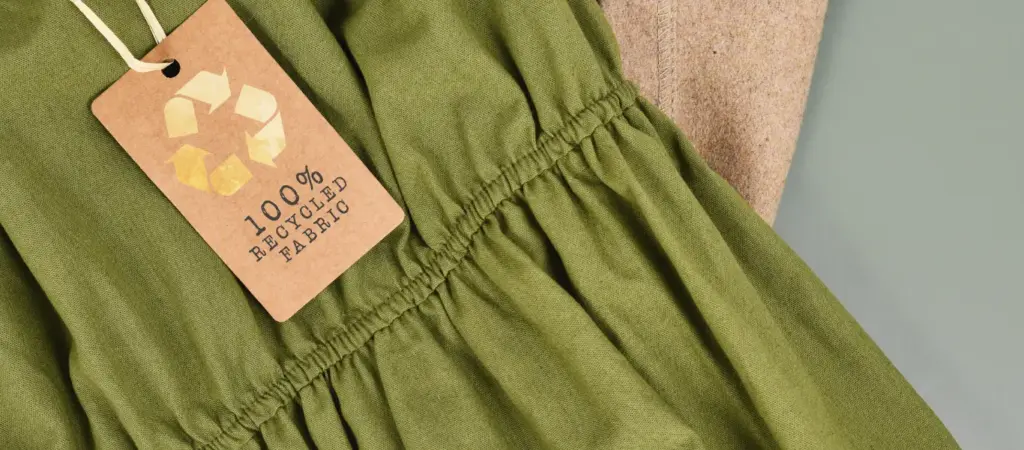
Sustainable clothing is eco-friendly. For example, the process of fabric can avoid emitting harmful gas and liquids that includes sulfur. The textile production process can be recycled 100% with special solvents. Sustainable clothing reasonably and scientifically chooses non-harmful and healthy chemical agents and coloring to control harmful substances to achieve a sustainable circle of nature, humans, and technology.
Sustainable development in the fashion industry was designed theory introduced in a fashion industry in the 80s. In Feb. 1997, German(Düsseldorf), Dusseldorf’s newest clothing show was the first to show eco-friendly clothing and presented the environmental fashion award. This action put green and eco-friendly theory into a higher level and made eco-friendly, casual, and healthy a worldwide language.
Made Your Shopping More Meaningful
The apparel industry is a gradually expanding industry with population growth and trend development. We must take action to reduce pollution in the fast fashion industry. It’s time to change our shopping habits and modes to avoid blind consumption. Pursuing the fast trend is not the best way to show our personality, but the sustainable trend can make a better us and a better planet that we live on. If we cannot protect our environment, there will be no future for us, not to mention the apparel industry. So shopping with sustainable theory is very important. ac·green®, a professional and sustainable apparel industry, can meet your basic wearing needs (basically includes hats, hoodies, pants, and socks). All clothing in ac·green® is made with sustainable fabrics and can reduce wastewater and carbon dioxide in the fast industry.
Sustainable Fabrics on the Market
Sustainable fabrics usually come from eco-friendly resources such as natural crops or other recycled fabrics, like recycled cotton/polyester/nylon/canvas.
There are 30 sustainable fabrics on the market.
Sustainable Natural and Vegan Fabrics: organic cotton, recycled cotton, organic hemp, organic linen, organic bamboo (bamboo linen), cork.
Sustainable Semi-Synthetic Fabrics (Mostly Vegan): lyocell, modal, bamboo lyocell, ecovero, pinatex, scoby leather, s.cafe, qmonos, brewed protein, apple leather, woocoa, cupro, qmilk, vegan, synthetic fabrics, econyl, recycled polyester.
Derived Natural Fabrics (Sustainable Depending On Source): sheep wool, merino wool, alpaca wool, cashmere, camel, yak wool, vegetable tanned leather, down, silk.
The clothing made with sustainable fabrics can reduce the burden on our planet can decompose without harmful substances, or can be recycled. ac·green® has tried its effect on sustainable fabrics and hopes to make an impact on the green fashion industry. Try with ac·green® products and you’ll love them.
Ends
Although the fashion industry has made sustainable promises and development, for conservationists, sustainable fashion suppliers, climate change supporters, etc. So far, their efforts are still a very small part of reducing environmental burden, as they are less than the pollution created by the fashion industry. That’s why we need to work together to make a green fashion industry.
There is only one planet that we can live on; no matter for us or our generations, we need to take actions to protect it and cherish it from all aspects. At least, we cannot destroy it.