
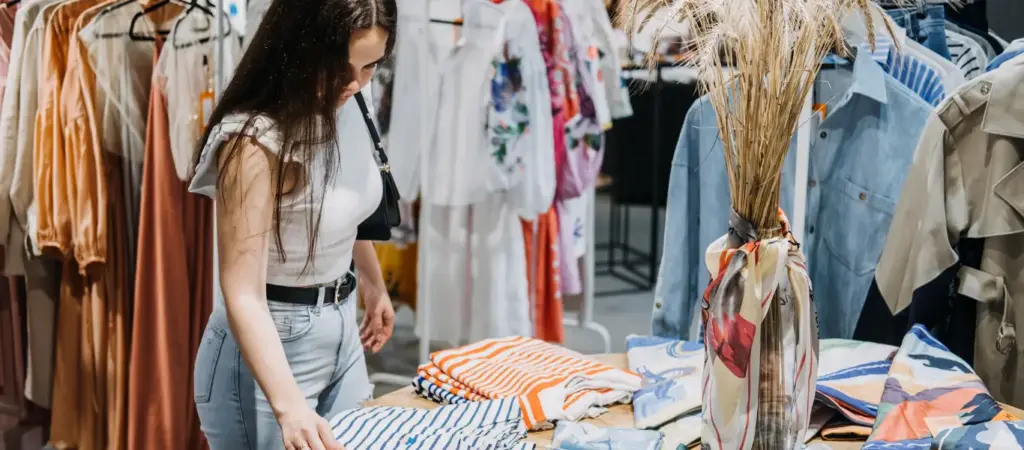
Till to 2025, fashion is an $1.8 trillion to $2.5 trillion industry. Despite this, it is also the second biggest water polluter, producing more waste and pollution than any other industry. What does the future look like for the fashion industry? Is it necessary to throw away all of our clothes? Or is there a better way? In this blog, ac·green® – a sustainable custom hats wholesaler will explore sustainable fashion and why it is important for our environment.
What Does Sustainable Fashion Mean?
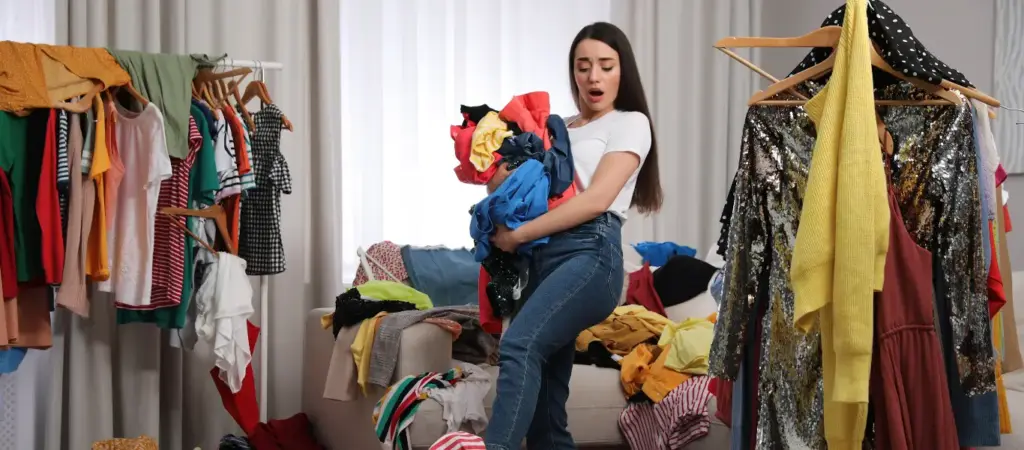
In general, sustainable fashion means a green patch for the fashion industry that clothing and apparel sourced, produced, and worn are environmental friendly and responsible.
The act of creating or acquiring “new” things will not define the parameters of sustainable fashion. Advertisements surrounding “sustainable” products mislead consumers into believing they can shop their way to “sustainable”.
More sustainable options exist, but the adoption of sustainable fashion practices certainly does not require the acquisition of any “new” clothing.
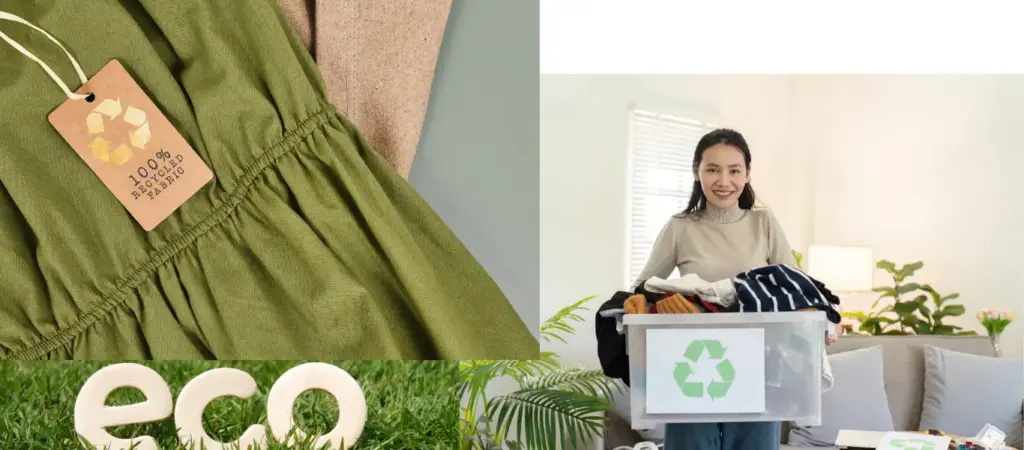
Start stepping into the sustainable fashion journey by not creating or buying anything new, such as make use of old clothes, visit secondhand shops, or borrow, swap, and trade clothes with beasties.
Why is Sustainable Fashion So Critical?
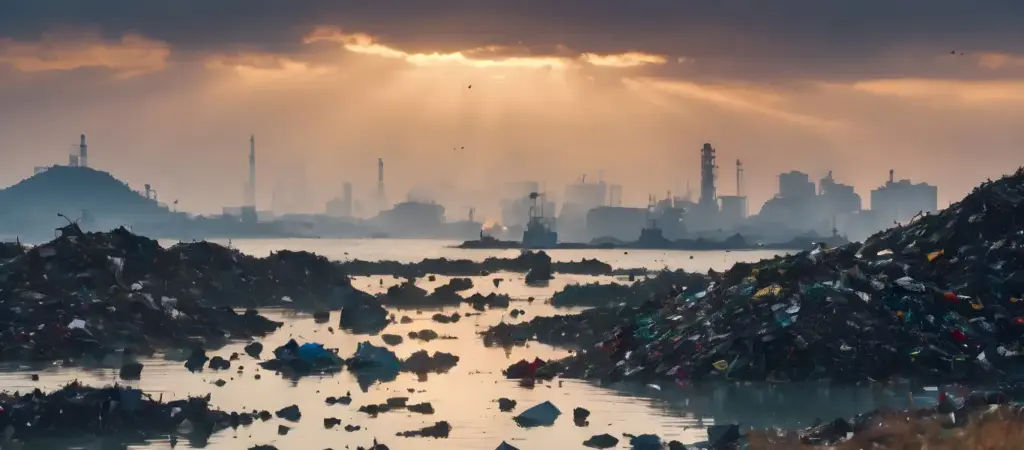
Simply to say, fashion has had vast negative effects on the environment and society for a very long time. During the Industrial Revolution, the first factories that later became known as sweatshops emerged in England, where the primary fuel was coal.
In addition, when textiles became more industrialized, cotton became more in demand, which was a major factor in the spread of slavery.
Nonetheless, the issues that rapid fast fashion dynamics bring to modern-day issues, including modern-day slavery, toxic pollution, and over carbon emissions, must not be downplayed or ignored.
Fast fashion describes a certain type of mass production model that prioritizes clothe production to fulfill immediate and ongoing consumer trends. Some of the most recognizable brands associated with this production model include Zara, GAP, Uniqlo, Primark, and Fashion Nova.
Fast fashion revolves around an endless cycle of over production and consumption. Retailers are able to sell garments at low prices because of the sheer quantity they produce, and they rake in the profit even if they sell individual pieces at a low price. Almost all fast fashion retailers make their profits, not by the mark up they sell at individual prices, but by the volume they sell at in a given period.
Fast fashion retailers Inditex, the parent company of Zara, and H&M produce 840 million and 3 billion garments a year, respectively. Even with the incorporation of some organic and eco-friendly materials, the production is still unsustainable.
The emergence of fast fashion has led to increased competition within the entire market, with businesses seeking to manufacture garments more quickly and affordably, all to market fashionable products at significantly lower prices.
As evidence of the current state of the fashion industry, consider the following statistics:
| Metric | Data | Source |
| Carbon Emissions | 1.2 billion tons of CO₂ annually (textile production + supply chain) | UNEP Fashion Industry Charter for Climate Action, 2024 |
| Water Usage | 100 billion cubic meters of water/year (equivalent to 40 million Olympic swimming pools) | World Resources Institute, 2023 |
| Microplastic Pollution | 35% of ocean microplastics still come from synthetic clothing (via washing) | Plymouth University, 2023 |
| Clothing Production | 130 billion garments/year (up from 100 billion in 2024) | Statistic, 2024 |
| Fast Fashion Waste | 92 million tons of textile waste generated yearly (87% ends in landfills or incinerators) | Ellen MacArthur Foundation, 2023 |
How to Choose the Best Sustainable Fashion Brand
There are several things to know before buying from a sustainable brand.
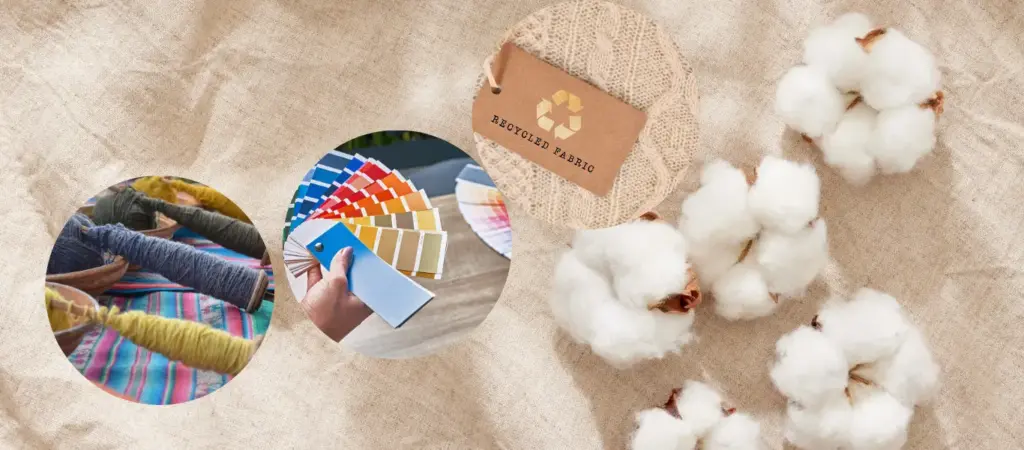
1. Materials
● Cotton: Ensuring the brand uses organic cotton over conventional cotton is critical. This is because no harmful chemicals (as well as less water) are used to grow the fiber. One of the best options on the market today is GOTS Certified Cotton that guarantees a clean fabric and an honest process from beginning to end, like Patagonia and Reformation prioritize GOTS-certified cotton.
● Hemp: This fiber has a lot of potential and a lot of unique properties. Pesticides are not needed, they take up less space, are incredibly durable, work well when combined with other fibers, and even the hemp plant itself soaks up more carbon than other plants. Brands like ac·green® uses hemps in most of their items. Brands like ac·green® use recycled fabrics, organic cotton, and other sustainable products for their items.
● Wool: Wool can keep you warm better than anything else in the winter. This fiber is produced by many farmers, and it has the potential to be an excellent method of regenerating the soil.
● Micromodal: Due to its pulp being made from sustainable harvested beech trees, micro modal is the only kind of modal you ought to buy.
2. Recycled Materials
It is always a wise decision to use pre-existing materials to make new clothing because it avoids the need to mine new resources from the planet and instead makes the best use of materials that might otherwise be thrown away, like Adidas (Parley Ocean Plastic) and Stella McCartney lead in this space.
3. Innovative Materials
Mylo™ (mushroom leather), Piñatex (pineapple fiber), and Tencel™ (sustainable wood pulp) are emerging as alternatives to animal leather and synthetic fabrics, which is more sustainable for our planet and the whole ecological system of the fashion industry.
Pro tip: Look for clothing made from deadstock fabric, upcycled materials (such as re-purposed fabric), or fabrics made from recycled fibers (such as recycled nylon, recycled polyester, or recycled cotton) (materials created, never sold nor used and would otherwise be thrown away). ac·green® makes caps, beanies, and bucket hats with recycled materials.
4. Dyes and Certifications
Environmentally friendly dying ways are natural plant dyes, certified nontoxic dyes, and water-saving digital printing dyes. OEKO-TEX®, Bluesign®, and Fair Trade Certified™ are authorized sustainable certifications.
OEKO-TEX®: This certification can proof and certificate that textile is safe without harmful substances, which sets the benchmark for textile safety, from yarn to finished product.
Bluesign®: This trademark means a solution for apparel brands & retailers, textile manufacturers and chemical suppliers to improve sustainability and product safety throughout the entire textile value chain to minimize negative impacts on people and the planet.
Fair Trade Certified™: Guarantees fair wages for farmers and workers.
5. Transparency
The brand transparency is a key point to check the sustainability of a brand. Here are some great examples, like Patagonia (Worn Wear program), Eileen Fisher (Renew line), and MUD Jeans (lease-a-jean model).
Final Words
In conclusion, the fashion industry has a greater negative impact on our planet than we imagine. We hope this context can help consumers make a better choice when buying clothes and accessories. What’s more, we are open-minded about all comments and voices about sustainable fashion. Please feel free to email us or comment below.