
Introduction
As a crucial link in the global industrial system, the textile manufacturing industry bears a particularly heavy environmental responsibility. It cannot be satisfied with merely routinely treating wastewater, exhaust gas, and solid waste in the later stages of production; more importantly and urgently, it must steadfastly uphold the concept of ecological balance and practice green production models in every detail of fiber technology research and innovation and the entire production process.
Therefore, developing environmentally friendly fibers has undoubtedly become one of the most popular topics of the public. It is not only related to the sustainable development of the textile industry but also a key measure for humanity to address environmental challenges.
This article will introduce some common and frequently used environmentally friendly fibers. Environmentally friendly fibers are fiber materials that have minimal negative impacts on the environment, or even positive environmental benefits, throughout their entire life cycle, from raw material acquisition, production and processing, use to waste disposal. These fibers are characterized by being renewable, biodegradable, and having low carbon emissions , helping to reduce dependence on natural resources and lower environmental pollution.
Natural Fibers
Bamboo fiber
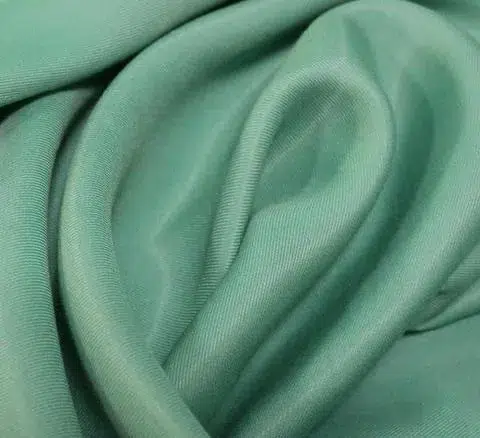
Bamboo fiber is a new type of cellulose fiber extracted from naturally grown bamboo, and it is divided into two types: bamboo virgin fiber and bamboo pulp fiber. It is a pure natural fiber separated from natural bamboo using a unique process combining physical and chemical methods. It possesses excellent properties such as being non-toxic, antibacterial, anti-mite, deodorizing, health-promoting, and UV-resistant . It is a fiber with “breathing function,” and its products are hailed as “the most promising healthy fabric of the 21st century . “
Flax fiber
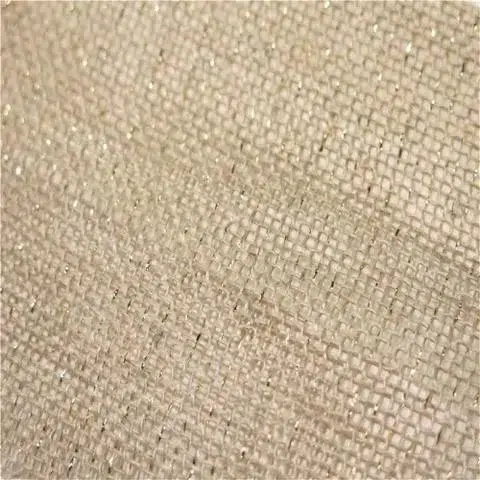
Flax fiber, derived from the flax plant, is one of the earliest natural fibers used by humankind and is hailed as the “Queen of Natural Fibers .” Flax fiber is highly absorbent , quickly absorbing and releasing human sweat to keep the wearer dry; it is strong and crisp , resistant to deformation and wrinkling; it also possesses natural antibacterial properties , inhibiting bacterial growth; and it has good thermal conductivity, providing a cool and comfortable feel. Flax fabrics made from flax are comfortable and breathable, making them suitable for summer clothing and home furnishings.
Chitosan Fiber
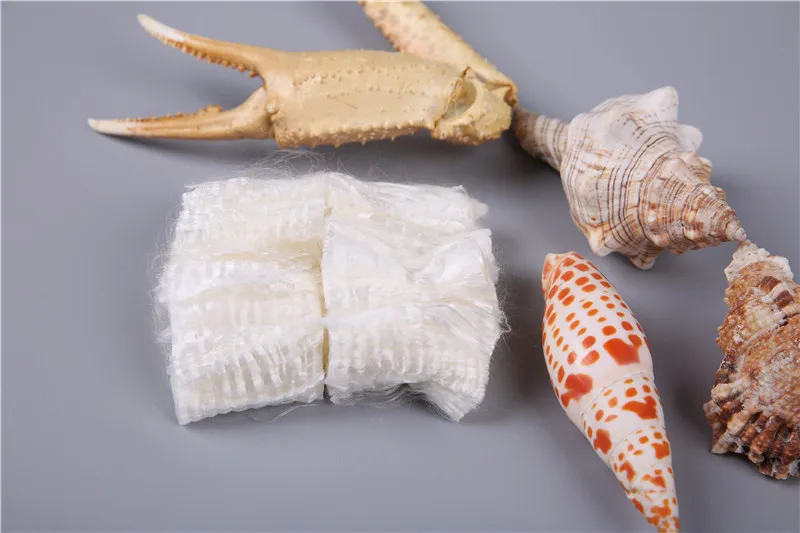
Chitosan fiber is a natural polymer fiber derived from the shells of crustaceans such as shrimp and crab, as well as the cell walls of fungi and algae. It has excellent biocompatibility, coexisting harmoniously with human tissues without triggering a strong immune response. Therefore, in the medical field, it is frequently used to make wound dressings, promoting wound healing and exerting antibacterial effects. Furthermore, chitosan fiber is biodegradable and environmentally friendly. With increasing environmental awareness, its application prospects are expanding, demonstrating unique advantages and potential in textiles, medicine, and other fields.
Seaweed fiber

Seaweed fiber is a unique functional fiber made primarily from marine seaweed through a series of special processes. This fiber possesses numerous excellent properties. It boasts outstanding biocompatibility and excellent affinity with human tissue, making it highly effective in the medical field . It not only provides a moist environment for wounds, promoting healing, but also possesses certain antibacterial properties. Seaweed fiber also exhibits good moisture absorption and breathability , making clothing made from it comfortable to wear and allowing for rapid absorption and wicking away of sweat. Furthermore, it excels in environmental protection, being biodegradable and causing no lasting pollution to the environment.
Regenerated Cellulose Fiber
Modal fiber
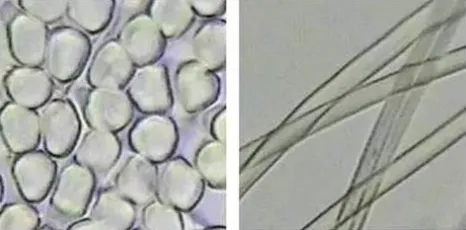
Modal fiber is a new type of environmentally friendly regenerated cellulose fiber, made from natural wood pulp through a specialized spinning process. During production, the wood is first processed into pure pulp, which is then spun into fibers. Modal fiber has a soft and smooth feel, strong moisture absorption, comfortable wear, vibrant colors, and better strength than viscose fiber, with stable shrinkage. It is widely used in underwear, loungewear, sportswear, and various high-end fabrics. When washing, use a neutral detergent and gently hand wash or machine wash. Avoid vigorous wringing. Lay flat to dry and iron at medium-low temperatures to maintain its good performance and appearance.
Lyocell fiber
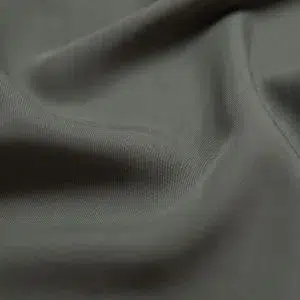
Lyocell fiber, also known as Tencel, is a unique regenerated cellulose fiber. It is made from natural wood pulp using environmentally friendly solvent spinning. This fiber combines the advantages of both natural and synthetic fibers, offering a soft, smooth feel, excellent drape, and outstanding moisture absorption and breathability, ensuring a dry and comfortable feel when worn. It boasts high strength, maintains good performance even when wet, and is resistant to shrinkage and deformation.
Furthermore, Lyocell fiber is biodegradable and environmentally friendly . It is widely used in clothing and home textiles, showcasing unique quality and charm in both fashionable garments and comfortable bedding.
RPET Fiber
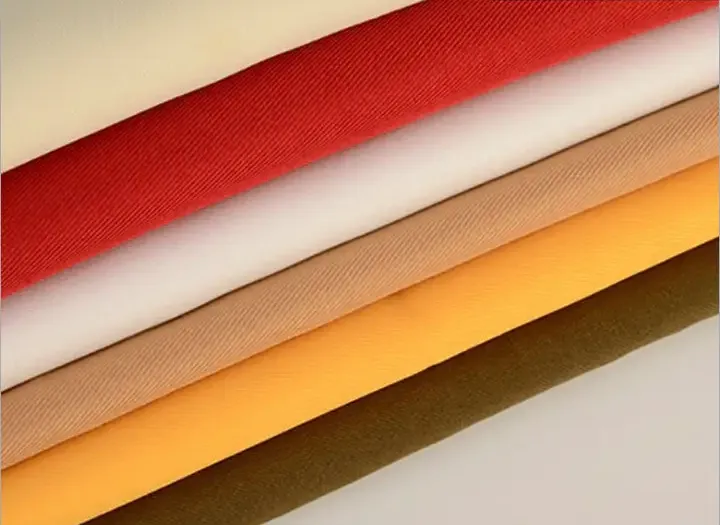
RPET, or recycled polyester fiber, is an environmentally friendly fiber material. It is mainly produced by recycling waste polyester bottle flakes, waste yarn, and other polyester materials, processing them through a series of physical or chemical methods to regenerate polyester raw materials that can be used for spinning, and then processing them into fibers .
RPET has several advantages. Environmentally, it significantly reduces reliance on virgin resources, lowers the consumption of non-renewable resources like petroleum, and mitigates pollution from waste polyester. In terms of performance, it is similar to virgin polyester fiber, possessing good strength, capable of withstanding tensile stress, and is not easily broken; it has excellent abrasion resistance, making products durable; and it exhibits good wrinkle resistance, maintaining the smoothness of clothing for a long time.
Furthermore, RPET has moderate moisture absorption, making it comfortable to wear, and it retains dyes well, resulting in excellent dyeing effects.
Bio-based synthetic fibers
Polylactic acid fiber
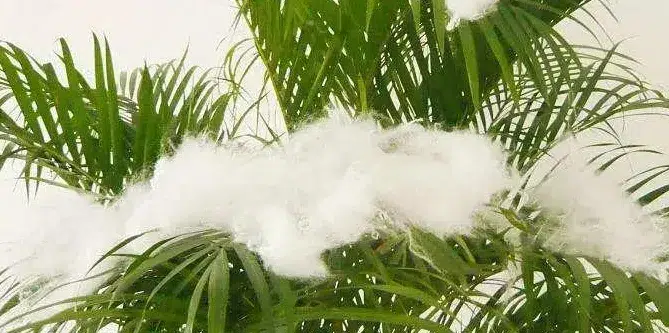
Polylactic acid (PLA) fiber is a biodegradable synthetic fiber made from renewable plant resources (such as corn and cassava). Lactic acid is obtained through fermentation, and then produced through a chemical reaction. Finally, it is spun into fibers.
It possesses excellent biocompatibility and biodegradability . After disposal, it can be decomposed into water and carbon dioxide by microorganisms in the natural environment or under composting conditions, returning to nature, which is of great environmental significance. PLA fiber is not only soft to the touch, with excellent moisture absorption, quick-drying, and wicking properties, making it comfortable to wear, but it also has natural UV resistance and flame retardancy, and is not prone to fading or burning.