
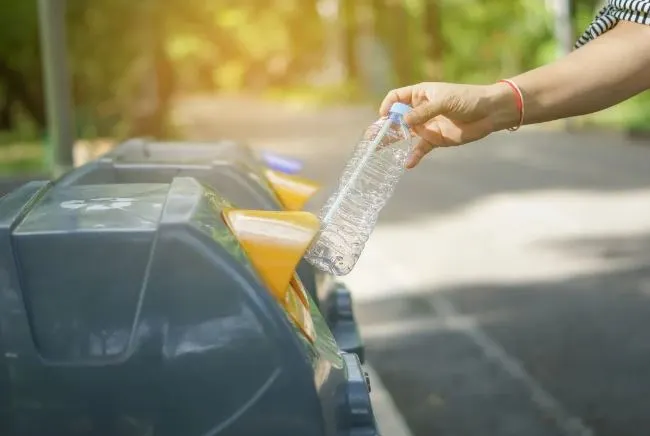
The concepts of “low-carbon living,” “green environmental protection,” and “sustainable development” have been integrated into all aspects of people’s lives. As people’s environmental awareness increases, the demand for environmentally friendly fabrics is also constantly increasing. rPET (recycled polyester), a new type of green and environmentally friendly recycled fabric, has become the darling of the industry. Its low-carbon origin has created a new concept in the field of recycling and has become a selling point for merchants.
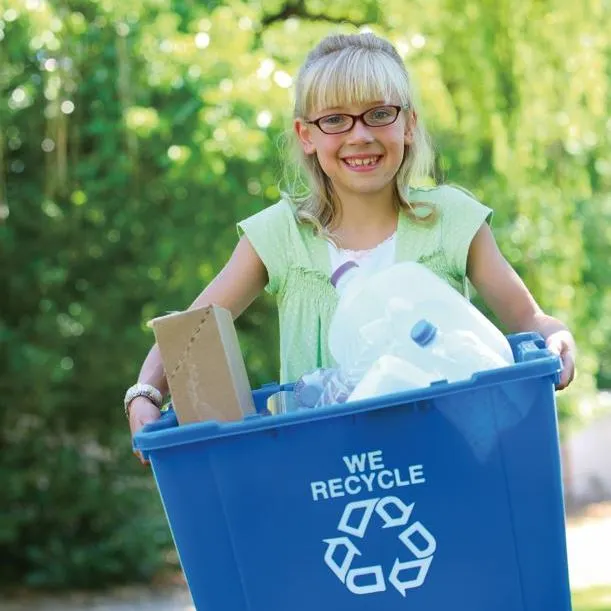
rPET (Recycled PET) is a type of thermoplastic polyethylene terephthalate (PET), one of the top three most widely used plastic materials in food packaging. One of its most common applications is in single-use beverage bottles , which are also one of the most prevalent forms of plastic waste. If large quantities of recycled PET bottles are available, and these bottles are only slightly contaminated (excluding contamination from household waste), recycling these bottles to obtain recycled polyester (rPET) fibers would be the ideal way to reuse them.

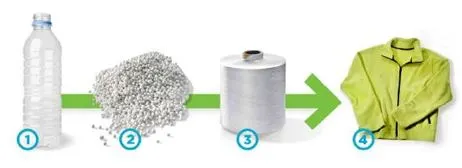
Many manufacturers and retailers advertise that rPET is environmentally friendly and sustainable because recycling PET bottles and using melt-spinning techniques to make recycled polyester fibers consumes less resource than producing new fibers. However, it’s important to note that this recycling method is a “second-tier” level of reuse; the resulting recycled polyester material (rPET) will not be used to manufacture new beverage bottles or food packaging containers.
Global demand for recycled polyester is increasing across various industries, and prices are rising further. Therefore, it is necessary to verify the authenticity of fabric products and determine whether they are truly “made from recycled PET” as claimed.
The material properties of PET bottles are that, in order to improve processability and adjust the crystallinity of the polymer, about 2% isophthalic acid is added in addition to the main component terephthalic acid.

Therefore, by testing the isophthalic acid concentration in fabrics, films, or other polyester materials, it can be determined whether they contain recycled polyester materials. TÜV Rheinland Chemical Laboratory in Germany offers rPET identification testing to help you distinguish genuine products claiming to be recycled PET fabrics from fakes.
| GBT 39026 | Only applicable to PET material |
| TÜV Rheinland Internal Methods | Only applicable to materials made from recycled PET plastic bottles |
The measured concentration of isophthalic acid is interpreted as follows:
| isophthalic acid content | Analysis and Interpretation |
| < 0.1% | It does not contain the corresponding proportion of recycled PET bottles. |
| 0.1% – 0.5% | Contains trace amounts of recycled PET bottles |
| 0.5% – 1.5% | Contains a certain amount of recycled PET bottles |
| > 1.5% | Made primarily or entirely from recycled PET bottles |