

Intro
On the fashion stage, the flat cap has always held a unique position. Seemingly ordinary, it carries the weight of hundreds of years of historical evolutionSimple in appearance, yet steeped in centuries of history, transforming from an initial practical tool into a globally popular fashion icon. Today, let’s unveil the mystery of it and explore its past and present.
Origin: A useful companion on the hunting grounds

The history of the flat cap dates back to the 14th century, first appearing in northern England and southern Italy, initially intended for hunters .
In the vast hunting grounds, hunters needed a hat that could shield them from the glare of the sun without hindering their vision in tracking prey ; the flat cap was born to meet this need.
Its flat, duckbill-like brim precisely blocks direct sunlight from reaching the eyes, ensuring hunters can clearly lock onto their targets even in bright light; while the flat top design cleverly prevents snagging on branches when traversing dense forests, greatly facilitating the hunter’s movement and making it an indispensable and practical piece of equipment for their hunts.
Rise: The Popular Wave Under the Wool Act
In 1571, to stimulate the wool market , the English Parliament passed a peculiar law: all males over the age of six, except for nobles and the upper class, were required to wear wool hats on Sundays and holidays, with violators subject to fines.
This law acted like a magic wand, instantly making wool caps popular among the working class.
Although the law was later repealed, the flat cap, riding this wave of popularity, took root and flourished among the common people, becoming part of their daily attire.
All men aged 6 and over (except nobles, ladies, gentlemen, etc., specifically lords, knights, and gentlemen who own 20 marks of land) must wear wool hats made in England on Sundays and public holidays (except when traveling), and the hats must be made by an English hatter, or they will be fined 3 shillings and 4 pence per day.
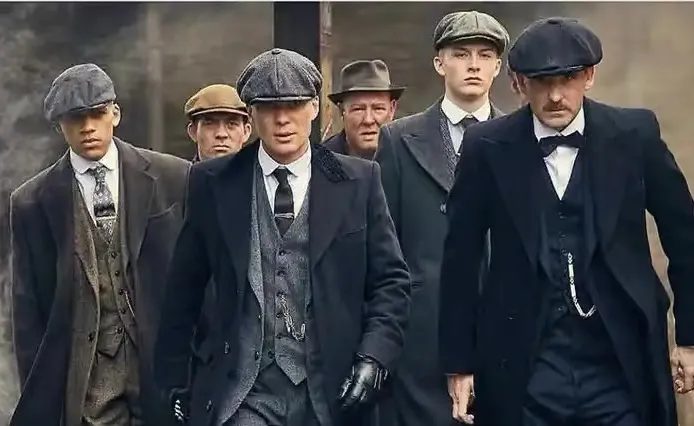
Although the bill was repealed in 1597 for being “unworkable ,” wool hats had become a major part of people’s daily attire and later became a symbolic accessory of the British working class, having a profound impact on British clothing culture and, to some extent, protecting and promoting the development of the domestic wool industry in Britain.
As the 19th century dawned, the Industrial Revolution swept across the land, bringing profound societal changes. The flat cap, with its simple and practical features, perfectly met the needs of the working class, reaching its peak in England and Ireland, becoming almost ubiquitous and a symbolic accessory for the working class. Whether busy in factory workshops or bustling on the streets, it was ever-present, bearing witness to their hard work and the myriad aspects of their lives.
Transformation: Shining Stars on the Fashion Stage
The 20th century was a pivotal period for the flat cap’s dramatic transformation. During the two World Wars , scarcity led people to prioritize practicality, and the simple, functional design of the flat cap ensured its continued popularity. After the war, with the recovery of the social economy and the improvement of living standards, the fashion industry experienced a golden age of rapid development, and it began to integrate closely with fashion, embarking on its own stylish journey.
Designers have keenly captured the fashion potential of flat caps, boldly innovating on materials, colors, and details while retaining their classic styles. Richly textured materials such as leather and denim have been used in the production of flat caps, giving them greater fashion appeal and durability. Colors have also expanded from monotonous black, blue, and gray to a vibrant array of shades, including bright reds, greens, and yellows. A variety of creative patterns and prints have also emerged, satisfying the individualistic pursuits of different consumers.

Today, flat caps have long since shed their original class connotations and practical limitations, becoming a fashion item that transcends age, gender, and social class. They can be paired with sportswear to showcase a vibrant athletic style; combined with casual wear to create a relaxed and carefree atmosphere; and even paired with formal attire to create a surprising and stylish look, adding a unique touch of fashion to formal wear. On the streets, you can always see people wearing all sorts of flat caps, confidently displaying their personality and style.
From the hunting grounds to the fashion world, the flat cap’s evolution embodies the diversity and inclusivity of fashion. It has witnessed societal changes, carried cultural memories of different eras, and regardless of shifting trends, the flat cap, with its unique charm, continues to shine brightly on the fashion stage, becoming an indispensable fashion classic in people’s wardrobes.