
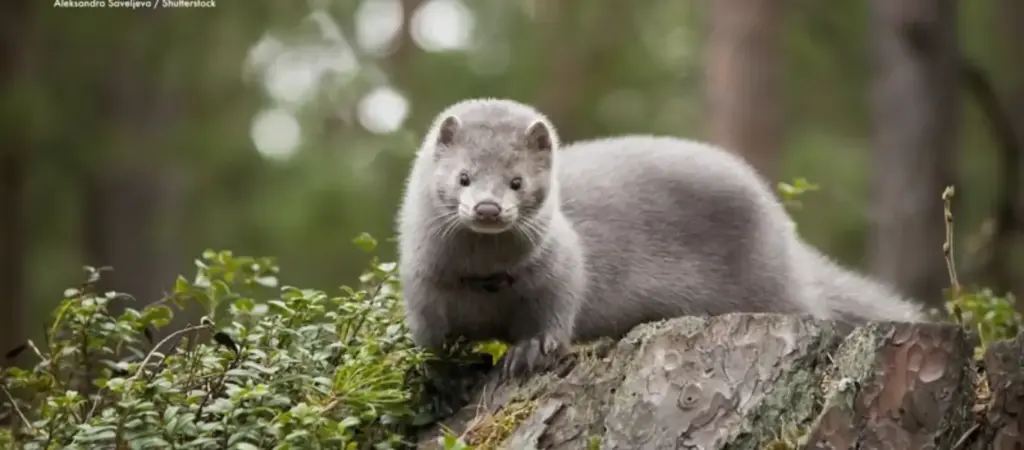
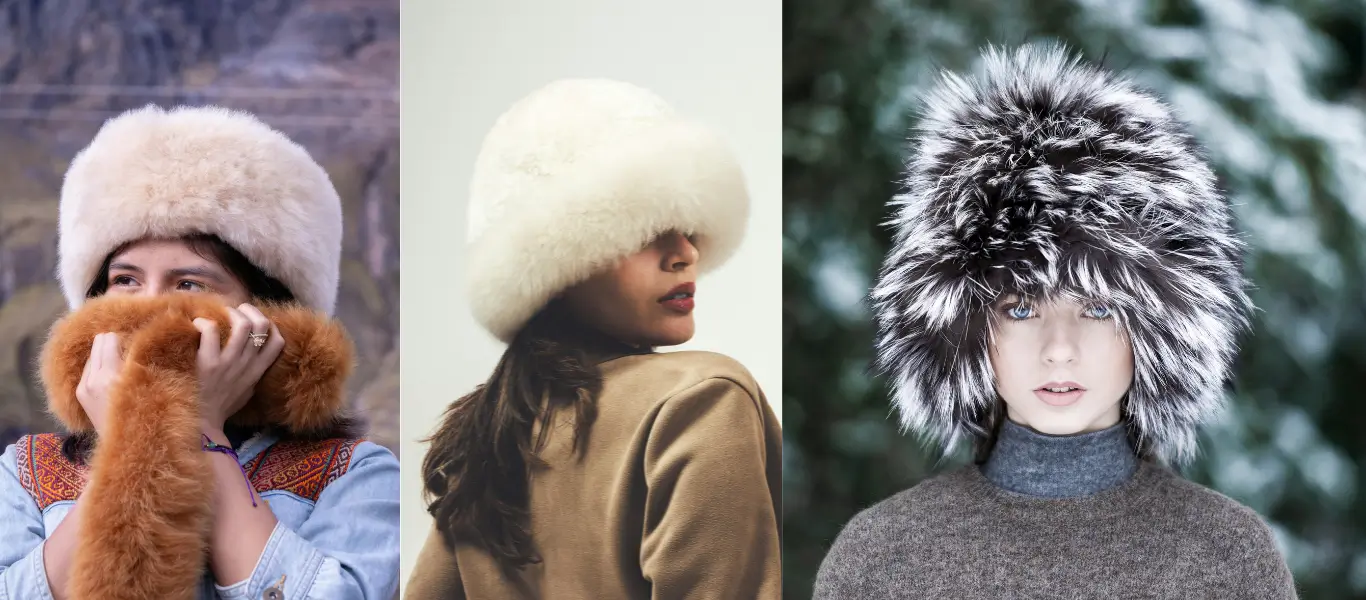
The news that New York Fashion Week has announced that it’ll apply a comprehensive ban on fur in September 2026, which makes eco-friendly fur come mainstream from an volition. KOBA® bio-based faux fur made from plant-based fibers by ECOPEL, and Savian refers primarily to a revolutionary 100% plant-based, plastic-free fur alternative from the company BioFluff, made from nettle, hemp, and flax for sustainable fashion. All these make eco-friendly fur with a real fur texture, and can be degradable and recycled. Short fluffy hats, hazy oatmeal color, patchwork denim designs, and eco-friendly fur have covered youth fall and winter styling based on its animal-friendly and high-textured properties, which can let people easily master the styling of leisure and luxury. Here, we, ac·green® – custom green headwear supplier, will introduce this new frontier – eco fur hats sustainably in 2026.
The Industry Revolution & Innovation
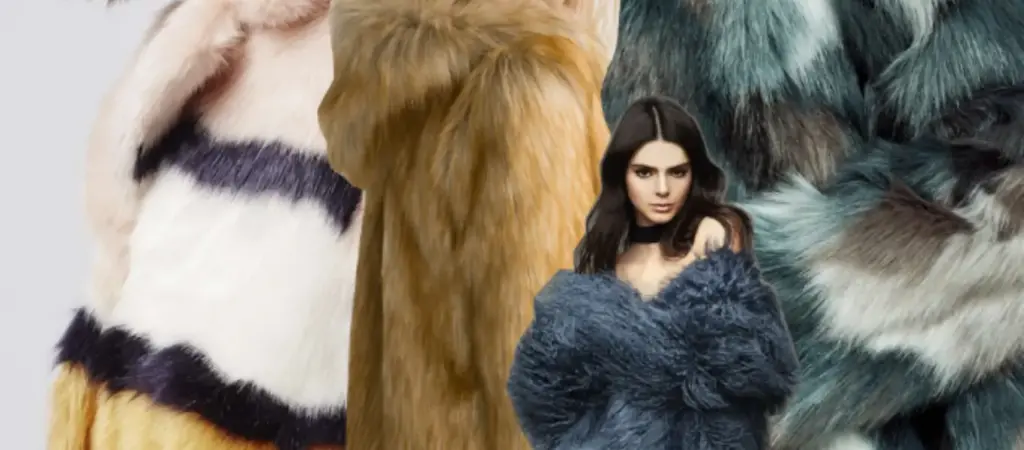
From Fashion Shows to Street Wear- Eco Fur Has Come A New Fashion Favorite
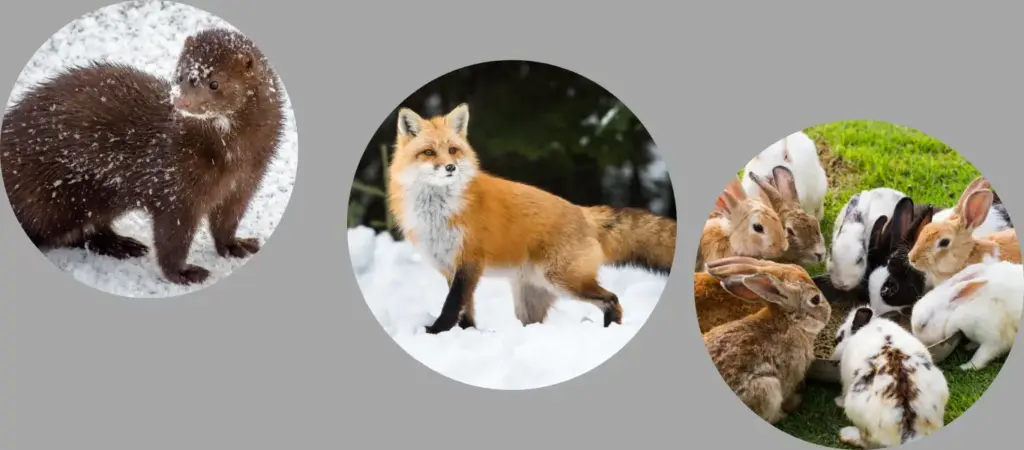
In recent days, the Council of Fashion Designers of America (CFDA) has framed the new regulation: Since September 2026, the New York Fashion Show will ban the display of animal fur, and the exemptions shall be maintained solely for furs obtained through traditional subsistence hunting by indigenous peoples. This initiative has made New York follow the steps of fashion weeks in London, Copenhagen, and other cities, to push the transition of the global fashion industry to a sustainable industry. This ban covers various animals slaughtered for their fur, including minks, foxes, and rabbits. The Council of Fashion Designers of America publishes this ban in advance to let designers have spare time to adjust choices of fabrics and creations, and promise to offer sustainable fabrics and data to help designers with the transformation of real fur into eco fur. The changer of the Council of Fashion Designers of America shows that this ban align to consumers’ increasing awareness of animal welfare and environmental protection. This ban is also aimed at making sure it maintains its leading position of ethical consumption in the Unite State.
New York Fashion Week, as one of the global fashion weeks, joins the cruelty-free fashion, making cruelty-free fashion to frame international synergy. Copenhagen Fashion Week is the first to push sustainable standards, and then London Fashion Week follows to ban fur. Nowadays, New York Fashion Week has stepped in, which means the fashion industry has gradually abandoned the luxury symbol of animal cruelty and adopted alternative innovations. This is not only a revolution of aesthetics, but also means the sustainable theory has become the irreversible core value of the fashion industry.
The hot trend of eco-friendly fur is firstly derived from the double updates of the theory and the consumption values. The traditional fur has embroiled in animal protection controversies for a long time. However, eco-friendly fur is based on artificial fibers, which can perfectly avoid the ethical controversy, making it align to the Z-generation’s value proposition of animal-friendly. Meanwhile, with the pushing and popularity of cost-effective logic, around $150, consumers can easily get the high-end texture from eco fur as real fur, without brand premiums, which can accurately meet youth’s demand for less pay for a better wearing-experience.
New York Fashion Week (NYFW) confirms fur-free runway from 2026, and this marks the acceleration of the transition of the global fashion industry toward ethical and sustainable practices. The NYFW has published that, starting in September 2026, no animal fur will be allowed on any sanctioned runway or on any event listed on the sanctioned fashion timetable. This current not only reshapes the choice of high- end fabrics for fashion, but also pushes eco-friendly fur into fashion accessories. Leveraging the double pros of eco-friendly fur – animal-friendly and updated texture properties, eco-friendly fur has become the new growth point of the custom headwear industry.
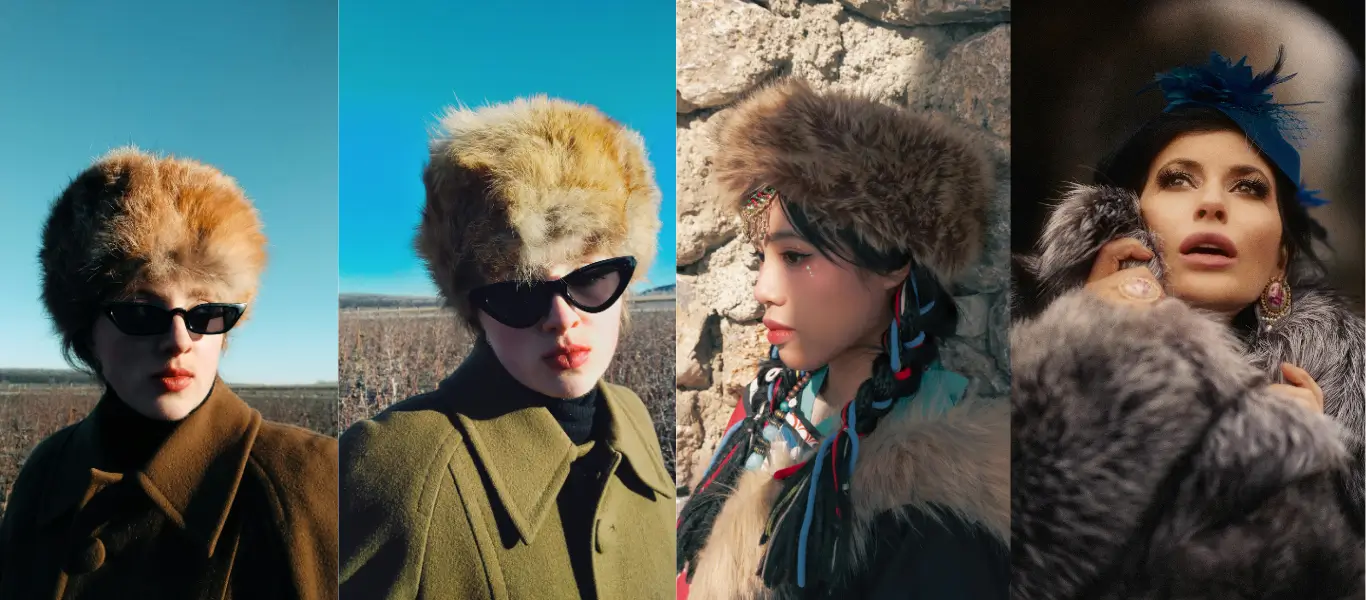
From street styling to daily commutes, eco fur hats are popular due to these three inner-driven powers.
- The Recognition of the Theory: Z-generation consumers refuse to hurt animals, and eco fur is made from artificial fibers or plant-based alternatives, replacing traditional animal fur, which perfectly caters to the value of “Cruelty-Free Fashion”.
- The Breakthrough of Technology: The KOBA® bio-based faux fur made from plastic-based fibers by ECOPEL, and plant-based Savian fabric made from nettle, hemp, and flax for sustainable fashion. All these can achieve the properties of eco fur as real fur in luster, touch, and texture, which can address the issues of easy to pill and mat caused by artificial fur.
- Cost-Effective Pros: Around $150, consumers can easily get the high-end texture from eco fur as real fur, without brand premiums, which can accurately meet youth’s demand for less pay for a better wearing-experience.
Technology-Driven Innovation
Material Revolution and Craftsmanship Advancements in Eco-Friendly Fur Hats
The pros of Eco-friendly fur hats totally show as the two dimensions: full lifecycle sustainability and customization flexibility.
| Technology | Core Advantages | Applied Scenes |
| Material Innovation | Plant-based fibers (like Savian): degradable and lower carbon footprint.Regenerated fabrics: Recycle and reduce recourse consumption. | Brim decorations, fur collars, and full-wrapped hats. |
| Updated Craftsmanship | 3D Printing fur texture: can precisely control the density and length of fur.Laser-cutting: can achieve complex patterns and patchwork designs. | Personalized logos and custom textures. |
| Performance Optimization | Anti-matting treatment: extends the lifespan.Anti-static electricity coating: improve comfort of wearing experience. | Winter warm hats and fashionable hats. |
The Futuristic Trends of Eco-Friendly Fur Hats
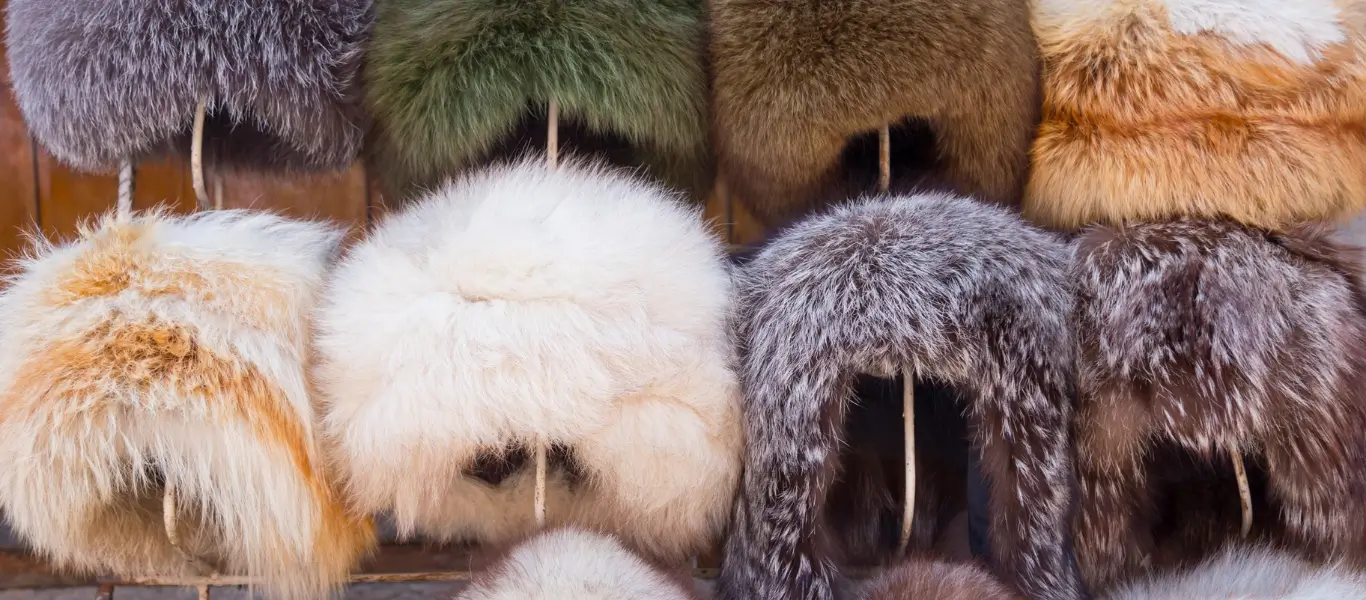
Combining the trend of 2026 eco-friendly fur, here are the features of the headwear market.
Lightweight Design
Heavy full-wrapped fur hats are gradually out of the stage; short fur berets, slim berets, and oversized shawls have become mainstream. Pairing with high-waisted pants or dresses, such a combination can easily create a leisure and luxury sense, which is suitable for daily commutes and weekend outings.
Soft Misty Tones Dominate
Farewell to the dullness of traditional black brown, low-saturation colors, like oatmeal, glacier blue, and gray rose red, become new fashion favorites. These colors not only can lower the bloating visual sense, but can be a perfect color tone to pair with fall and winter earth-tone and moody-toned clothing, which can elevate the high-fashion sense of the whole look.
Innovative Patchwork Design
Patchwork between eco-friendly fur, leather, knitting fabrics, and denim can break through the monotony. For example, a denim baseball cap with a fur brim can combine a casual and trendy sense. Skull beanies + fur pompom can add a vibe to the seasonal styling.
The Change of Custom Headwear Manufacturers – From Following to Leading

For custom headwear manufacturers, the emergence of eco-friendly fur is the key point to achieve differentiated competition.
C2M (Customer to Manufacturer) Custom Model: Through factory live streams, custom hat manufacturers can let consumers know the cost of fabrics. Meanwhile, custom headwear manufacturers also support personalized service regarding colors, length of fur, and personalized logos, which can meet the demand of each consumer.
Scenario Marketing: For different groups of people, custom headwear manufacturers can subdivide product designs, launching commuting berets with small fur brims for urban office workers; launching windproof baseball caps with fur brims for outdoor enthusiasts, which can precisely reach targeted audiences.
Spreading of Sustainable Stories: Emphasizing the degradability and regeneration of eco-friendly fabrics through social media, from becoming fiber again to making new hats, which can strengthen the eco-friendly brand image.
In the End
In essence, the trend of eco-friendly fur hats is a snapshot of epitomizing the fashion industry’s shift away from luxury symbolism, which means luxury is no longer relying on rare fabrics, but is back to the design and the fabric texture. For custom headwear manufacturers, seizing the momentum cannot only achieve business increase, and further drive the industry’s transformation toward sustainability and human-centered approaches.